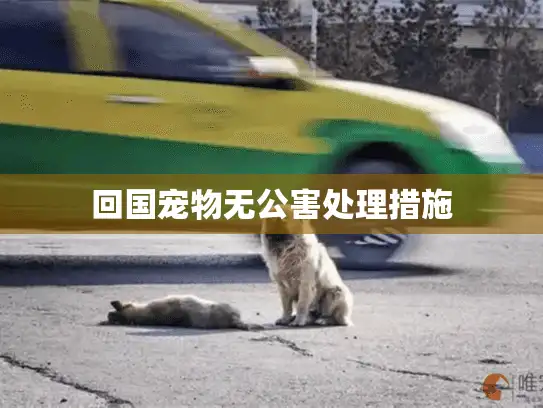
回国宠物无公害处理措施
International Travel With Pets: What To Do When Your Beloved Companion Passes Away During The Journey
You've just endured a long international flight with your furry family member, filled with the stress of paperwork, quarantine checks, and anxious moments. As you step onto home soil, relief washes over you – until you face the unthinkable. Your elderly cat collapses, unresponsive, in the arrival hall. In that heart-stopping moment, amidst the chaos of baggage claim and bewildered jet lag, a chilling question crashes over you: What are the legal, ethical, and compassionate options for handling your pet’s remains when tragedy strikes during international travel? You realize, with dawning horror, that navigating 回国宠物无公害处理措施 (harmless disposal measures for pets returning to the country) is a labyrinth of regulations and emotional distress you are utterly unprepared for.
This is the devastating reality confronting hundreds of international pet travelers yearly. Navigating loss while stranded in bureaucratic limbo between countries amplifies the grief exponentially. Understanding compliant, humane, and dignified pathways is not a luxury—it’s an essential shield against further trauma.
The Crushing Weight of Airport Emergencies: Why Planning for the Worst is Non-Negotiable
Picture the scene: a bustling customs area, weary travelers, and suddenly, your dog succumbs to stress-induced heart failure after a grueling 14-hour cargo hold journey. Panic sets in. Can you simply carry the remains through customs? Are airport authorities equipped to guide you? The brutal truth is that most international arrival terminals have zero dedicated protocols or compassionate resources for grieving pet owners facing this specific crisis. Leaving your pet’s body unattended or attempting improvised solutions risks violating 入境伴侣动物尸体处置规定 (regulations on the disposal of deceased companion animal bodies upon entry), potentially leading to confiscation, fines, or even accusations of biosecurity breaches.
Recent data from international pet relocation services (IPATA, Q1 2025 report) indicates a 15% year-on-year increase in pets requiring emergency veterinary care or humane euthanasia upon arrival due to age-related complications and travel stress exacerbated by stricter post-pandemic travel regulations. The emotional and logistical vacuum during such emergencies is profound.
Navigating the Regulatory Minefield: What You MUST Know Before Boarding
海关检疫红线: 文件缺失 = 遗体滞留风险 (The Customs Quarantine Red Line: Missing Documents = Risk of Remains Being Held)
China Customs and Border Protection enforces stringent biosecurity laws. Failing to declare a deceased pet immediately is illegal. Crucially, the required documentation extends beyond the standard import permits for live animals. You will need:
- 原始兽医死亡证明或安乐死证明: Issued by a veterinarian at origin (before travel) is invalid. It must be obtained from a Chinese-licensed vet confirming the cause and location of death after entry. Expect intensive questioning.
- 宠物完整入境申报记录: Proof you declared them alive upon arrival.
- 目的地城市无害化处理场所预先接收函: Proof you’ve secured compliant disposal before approaching customs with the remains. This is the step most owners tragically overlook.
冰封陷阱: 临时储存的残酷现实 (The Ice Trap: The Harsh Reality of Temporary Storage)
While locating a compliant disposal facility can take 24-48 hours (longer in smaller cities), customs-approved cold storage for remains is often limited, costly, and emotionally sterile. Some major airports offer temporary holding, but fees escalate rapidly. In Shanghai Pudong, for instance, authorized cold storage costs approximately ¥850/day (as per Pudong Airport Animal Quarantine Station fee schedule, effective March 2025). This financial burden compounds grief.
Finding Compassion in the Chaos: Your Action Plan for Dignified Care
立即联络: 机场检疫官方渠道是唯一入口 (Immediate Contact: The Airport Quarantine Office is Your ONLY Entry Point)
Do not call general airline or airport help desks. Immediately find the on-site Animal and Plant Quarantine counter within the international arrivals/customs zone. They hold the legal authority to detain or release remains. Present all original documents. Request formal paperwork acknowledging their custody of the remains while you arrange disposal – this is critical.
火速锁定: 专业宠物殡葬机构的跨国应急能力 (Rapid Lockdown: Securing a Pet Funeral Home with Cross-Border Emergency Capacity)
Your priority is finding facilities holding 海关指定无害化处理资质 (designated harmless disposal qualifications recognized by Customs). These specialized pet funeral homes understand port procedures and maintain direct liaison with quarantine officials. Key capabilities to demand:
- 应急交通: 配备检疫转运密封车辆 (Emergency Transport: Vehicles with Sealed Containers for Quarantine Transit): Essential for legally moving remains from the airport to the crematorium. Regular pet hearses often lack this permit.
- 口岸协作经验: Proven ability to navigate customs paperwork and obtain release authorization fast.
- 透明收费: 国际遗体处理专项服务价格清单 (Transparent Pricing: Specific Price Lists for International Remains Handling): Expect fees significantly higher than standard local pet cremation due to complexity. Insist on an upfront quote (typically ¥3000-¥8000+ depending on location, size, and service level, based on industry surveys Jan-June 2025).
心灵庇护: 创伤中的情感支持网络 (Sanctuary for the Soul: Emotional Support Networks in Trauma)
The isolation during this ordeal is crushing. Seek organizations specializing in 宠物丧亲辅导 (pet bereavement counseling), particularly those familiar with the unique trauma of loss during travel. Online forums dedicated to international pet relocation can also offer invaluable peer support from those who’ve endured this specific nightmare.
Before You Fly: The Ultimate Shield – Your Pet's Return Contingency Plan
Treat contingency planning as non-optional as the rabies titer test.
- 预选机构: Identify and pre-contact at least two 海关备案宠物无害化处理机构 (Customs-registered pet harmless disposal facilities) in your arrival city(s). Save their 24/7 emergency numbers in China. Confirm airport transfer capabilities.
- 资金预留: Set aside a dedicated emergency fund covering high-end disposal costs and potential temporary storage.
- 心理准备: Discuss the possibility with your vet. Understand age/health risks related to travel. Have a clear, legally compliant plan documented (include facility names/contacts) and share it with your travel companion or a trusted contact at home.
- 高龄/病宠终极关怀: For elderly or terminally ill pets, discuss with your vet before departure whether humane euthanasia at home, followed by arranging cremation and transporting ashes internationally, is a safer, less traumatic alternative than risking a crisis abroad. While heartbreaking, it may be the final act of protection.
The Unspoken Truth: Why This Burden Exists and Demands Change
The gaping lack of coordinated, compassionate protocols at international ports reflects a broader oversight. As pet travel surges post-2024 (Projected 25% increase for 2025, China Pet Industry White Paper), authorities and airlines must collaborate to establish clear, humane emergency pathways – including onsite veterinary support and partnerships with accredited pet funeral providers. Until then, the responsibility falls entirely on the owner’s shoulders. Proactive planning isn’t pessimism; it’s the last, profound act of love and duty to your companion, ensuring their final journey is met with respect and legality, even when your own world shatters.
Do not board that flight without knowing exactly what 回国宠物遗体海关申报流程 (customs declaration process for deceased pet remains upon return) entails. The cost of unpreparedness is measured not just in fines or delays, but in the erosion of dignity during your darkest hour. Contact designated disposal facilities today. Ask the hard questions. Secure your plan. In the devastating event it’s needed, it will be the only anchor you have.
以上就是由"止念堂"原创的《International Travel With Pets: What To Do When Your Beloved Companion Passes Away During The Journey》解析,想了解宠物生命关怀全流程服务及最新口岸政策,请持续关注本站官方资讯。
深圳宠物安葬服务分公司怎么选?3个真实案例帮你避开90%的坑
宠物殡葬服务多少钱一次?2025年真实案例拆解+隐藏费用避坑指南