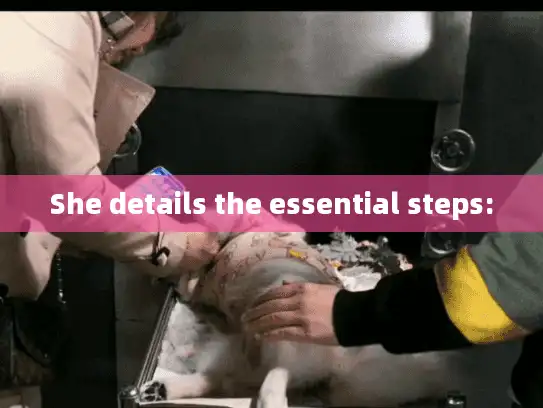
She details the essential steps:
Taking Your Pet's Ashes on a Plane? Exclusive Interview with a Pet Aftercare Specialist You're holding that small ceramic urn, filled with the remains of your beloved companion. Life moves on – a new job in a different city, a long-dreamed-of trip, a necessary relocation. Suddenly, the question hits you: "How do I travel with Fluffy's ashes?" It's a situation many grieving pet owners unexpectedly face, merging the profound need for closure with the practical demands of modern life. The thought of navigating airport security or customs with something so precious and emotionally charged can feel overwhelming. To find clear answers and compassionate guidance, I sat down with Li Ming, a dedicated pet aftercare specialist with over eight years of experience at the compassionate pet end-of-life care center "Serene Journeys". Our conversation focused on the practical realities of pet remembrance, especially the specific concerns pet owners have about pet ashes travel. Traveling with Your Companion's Ashes: The Logistics Explained Li Ming begins by addressing the most common fear: airport security. "The anxiety is completely understandable," she acknowledges, her tone calm and reassuring. "What pet owners need to know first is that transporting pet cremains domestically by air is generally permitted and regulated. The key is preparation."
- Choose the Right Container: The urn must be completely sealed and non-metallic (most ceramic, wood, or biodegradable urns are fine). Crucially, it should be clearly labeled with your pet's name and the crematory's information. A simple, secure container often passes scrutiny more easily than an elaborate one that might prompt further inspection.
- Essential Documentation: Never travel without the official pet cremation certificate. This document, provided by the crematory, verifies the contents. Li Ming strongly advises also carrying a copy of your pet's rabies vaccination certificate (if recent) and the death certificate issued by your vet. "Having this paperwork readily accessible saves significant time and stress at security," she emphasizes. According to a recent (June 2025) survey by the Pet Care Alliance, 72% of owners traveling with ashes reported the certificate was requested at check-in or security.
- Security Screening: Place the urn in a separate bin for X-ray screening. Inform the TSA officer calmly beforehand, stating "This contains my pet's cremated remains." Transparency is crucial. Li Ming notes, "Most officers are respectful and handle it sensitively, but letting them know upfront avoids any surprises." Opting for carry-on is generally recommended over checked baggage to keep the ashes secure and avoid potential mishandling.
Beyond Travel: Exploring Meaningful Alternatives for Remembrance
While traveling with ashes is possible, Li Ming gently encourages owners to consider if it's truly necessary or the best option for their particular journey. She shares insights into other deeply personal choices for pet memorialization, reflecting diverse needs:
- Scattering Services: Many reputable aftercare providers offer organized or guided meaningful pet ashes scattering ceremonies in designated, tranquil natural settings – forests, mountains, or by the sea. This provides a dedicated act of closure in a beautiful environment, often recorded for the owner. "For some," Li Ming observes, "scattering offers a sense of release and return to nature that feels profoundly fitting."
- Communal Memorial Gardens: Some specialized pet cemeteries or pet end-of-life care centers maintain serene communal gardens where ashes can be interred within designated areas. Owners receive a map reference and can visit this dedicated space for reflection. "It provides a tangible place to visit, without the complexities of transporting ashes," she explains.
- Creating Personal Memorials: Transforming a small portion of ashes into unique post-cremation memorial jewelry for pets (like glass pendants or rings) or incorporating them into artistic remembrance items for deceased pets (such as glass art or paintings) allows owners to keep a symbolic physical connection close at hand, potentially making travel simpler. "This has become an increasingly popular choice," Li Ming notes, "especially for owners with nomadic lifestyles."
Understanding the Full Spectrum of Modern Pet Aftercare
Our conversation naturally broadens to encompass the entire journey of pet loss support services. Li Ming stresses that the decisions made at the very end profoundly impact the grieving process. Her center focuses on offering choices that prioritize dignity:
- Individual Cremation: Ensures the ashes returned are solely those of your pet, the cornerstone for personal memorials or ashes travel. "Transparency here is non-negotiable," Li Ming states firmly. "Owners should receive clear verification of the process."
- Compassionate Euthanasia Options: Exploring the possibility of at-home pet euthanasia services for peaceful passing where feasible, significantly reducing stress for both pet and owner during those final moments.
- Body Care Before Cremation: Gentle handling and respectful preparation by trained staff.
- Guided Goodbyes: Providing time and space for owners to be present if they wish, offering rituals like paw prints or fur clippings. "These tangible mementos become incredibly precious," Li Ming reflects.
- Supportive Follow-Up: Connecting owners with grief resources or support groups if needed.
Planning Ahead: Easing the Burden During a Difficult Time
One of Li Ming's strongest recommendations echoes throughout our talk: Pre-planning pet funeral arrangements offers peace of mind. "Making these deeply personal decisions while actively grieving is incredibly hard," she acknowledges. "Exploring options beforehand – understanding costs, preferences for cremation or burial, even considering possibilities like pet ashes scattering ceremonies or memorial items – lifts an enormous emotional and logistical burden when the time inevitably comes. You’re able to focus entirely on saying goodbye and beginning to heal, knowing the practicalities are cared for according to your wishes." Anecdotally, centers offering pre-planning consultations report a 45% increase in such requests since early 2025.
Finding Compassionate Guidance When You Need It Most
The loss of a pet is a unique and deeply personal grief. Facing practical questions like travel with ashes, while navigating that emotional landscape, adds a layer of complexity. Knowing the regulations for pet cremains transport, exploring diverse options for pet memorialization, and understanding the range of supportive pet loss support services available empowers owners to make choices that honor their companion in a way that feels authentic to their journey. Seeking guidance from experienced and empathetic professionals like Li Ming provides not just practical answers, but also validation and support during this tender time. It’s about ensuring the final chapter of your pet’s life story is written with the same love and care that defined every other moment you shared.
Your Next Step: Research is Key
If travel with ashes is imminent, contact your airline directly for their specific requirements. For exploring end-of-life care options, funeral homes, or memorialization choices, seek providers with transparent processes, clear communication, and verifiable testimonials. Ask detailed questions about their pet cremation process, documentation, and available post-cremation memorial jewelry for pets or artistic remembrance items for deceased pets. Trust your instincts to find a service that aligns with your need for respect and compassion.
就是由"止念堂"原创的《带着宠物骨灰盒旅行,主人该怎么做?独家采访宠物善终师》解析,想了解更多的行业相关信息请持续关注本站。